
The first images of Quest have arrived, and they reveal far more than a historic shipwreck.
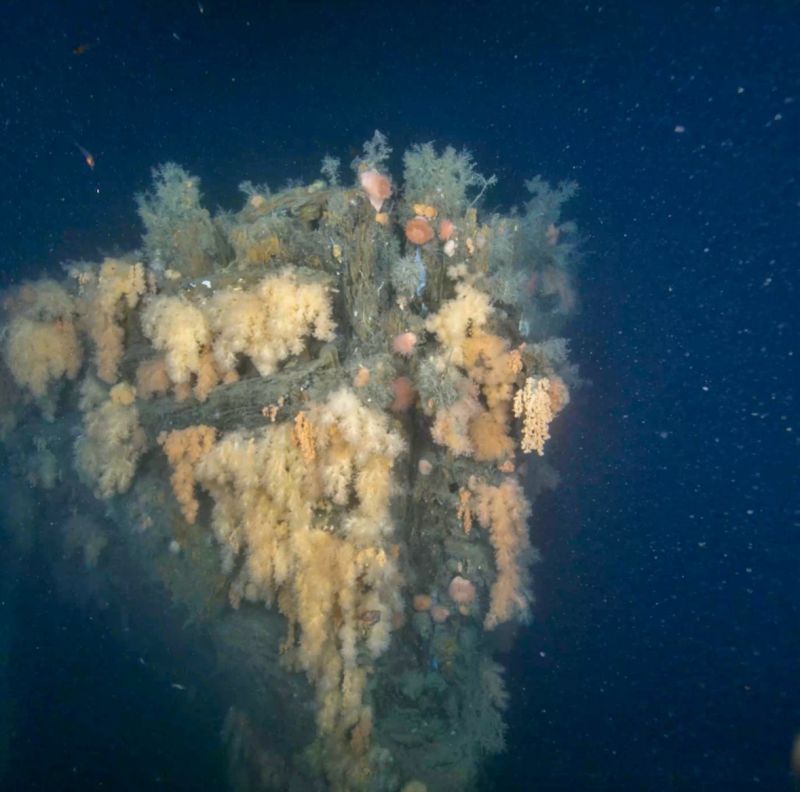
Led by the Royal Canadian Geographical Society (RCGS), in partnership with the Woods Hole Oceanographic Institution (WHOI), the Heroic Age Expedition has captured the first close-up views of Quest since the wreck was discovered off the coast of Labrador in 2024.
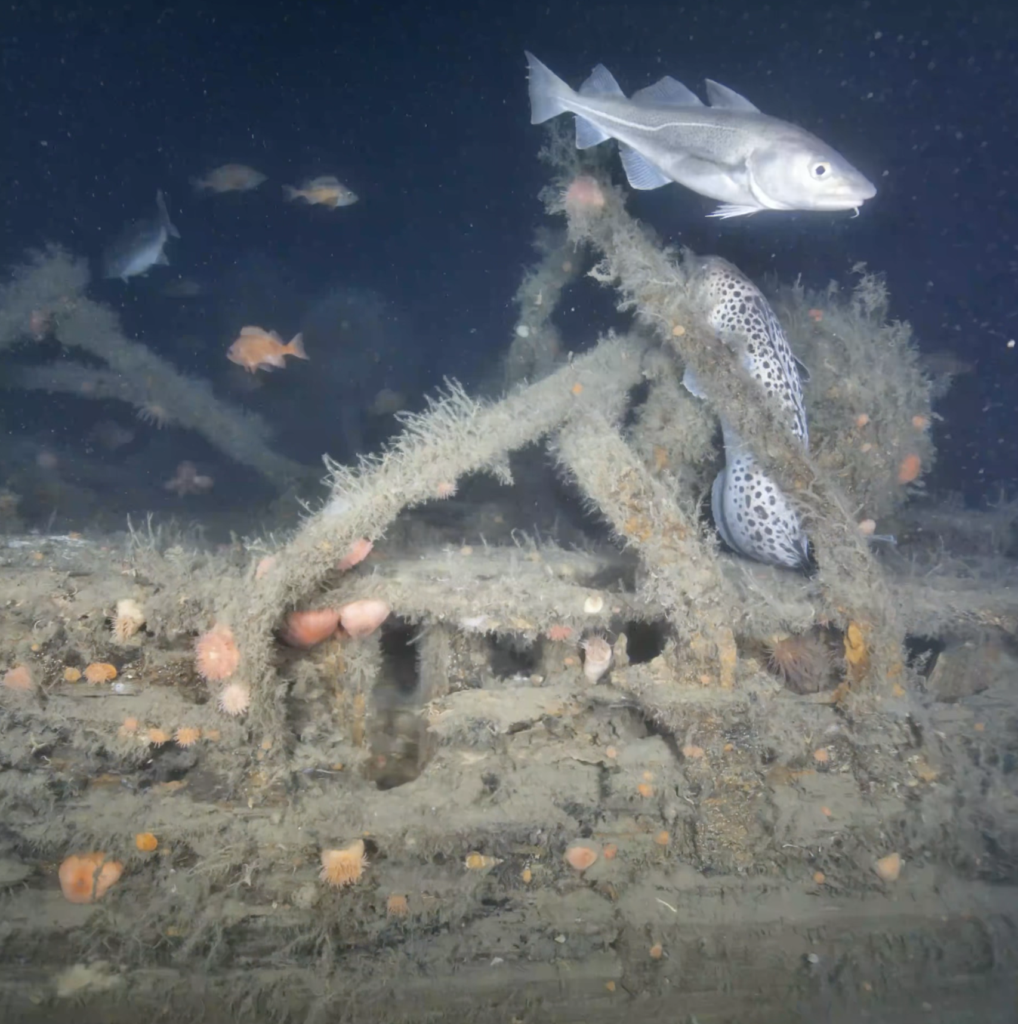
Best known as Sir Ernest Shackleton’s final expedition ship, Quest rests 390 metres below the surface of the Labrador Sea. More than six decades after sinking, the wreck has become a thriving deep-sea ecosystem, covered in soft corals and anemones and surrounded by Atlantic cod, redfish, and even the threatened spotted wolffish.
The expedition has also revealed a sobering reminder of humanity’s impact on the ocean. Abandoned fishing nets and other ghost gear now drape sections of the wreck, highlighting the long-lasting effects of lost fishing equipment on both marine ecosystems and underwater cultural heritage.
While these first images provide an extraordinary glimpse of the wreck, they are only the beginning.
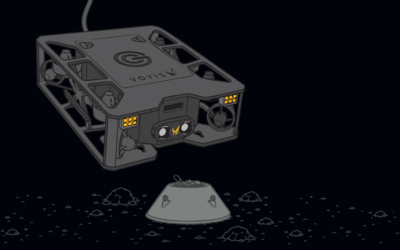
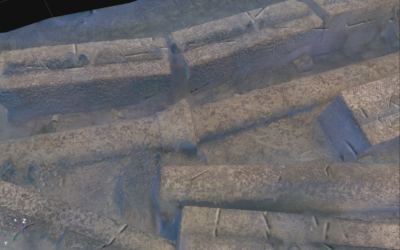
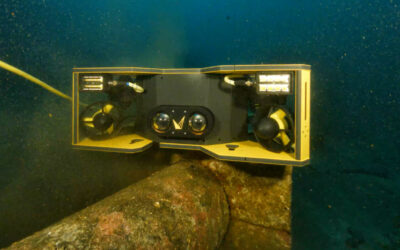
As the expedition continues, the team is using the Voyis Discovery Stereo Inspection Series to create a high-resolution digital twin of Quest. Combining high-resolution stereo imagery with underwater photogrammetry, the system captures the data needed to reconstruct a detailed 3D model of the wreck and its surrounding debris field. This digital twin will enable researchers to study, measure, and preserve the site long after the expedition concludes; without disturbing this fragile piece of history.
For Voyis, expeditions like this demonstrate how technology developed for precision subsea inspection and measurement can also support scientific discovery, marine conservation, and cultural preservation. Every image captured contributes to a deeper understanding of the wreck, its history, its current condition, and the remarkable ecosystem that has developed around it over the past 60 years.
Voyis is honoured to support the Heroic Age Expedition alongside the Royal Canadian Geographical Society, the Woods Hole Oceanographic Institution, and the many researchers, pilots, and explorers making this mission possible.
We look forward to sharing more as the expedition continues.