

Amid the chaos and confusion of the Titanic’s sinking on the night of April 14, 1912, one story stands out as a symbol of courage, composure, and dedication—the band that played on. The ship’s eight musicians, led by bandmaster Wallace Hartley, have become an enduring part of Titanic’s legacy, their music immortalized in the annals of history as they continued to play until the very end.
The Titanic’s orchestra wasn’t a single cohesive band but rather two groups of musicians who came together during the voyage. The larger group, a quintet, performed in the first-class lounge and dining areas, playing a range of classical pieces to entertain the wealthy passengers. This group included violinists Wallace Hartley and John Wesley Woodward, cellist John Clarke, and pianist Theodore Brailey. The second group was a trio who played light music in the reception and café areas, made up of violinist Georges Krins, cellist Roger Bricoux, and bassist Fred Clarke. Together, these musicians formed the unofficial ensemble that became famous for their extraordinary actions on that tragic night.
Wallace Hartley, the bandleader, was an experienced musician from England who had previously worked on other White Star Line ships. He is remembered not only for his exceptional leadership during the disaster but for his belief in the power of music to calm people in times of crisis. His decision to have the band continue playing as the Titanic sank has since become legendary.
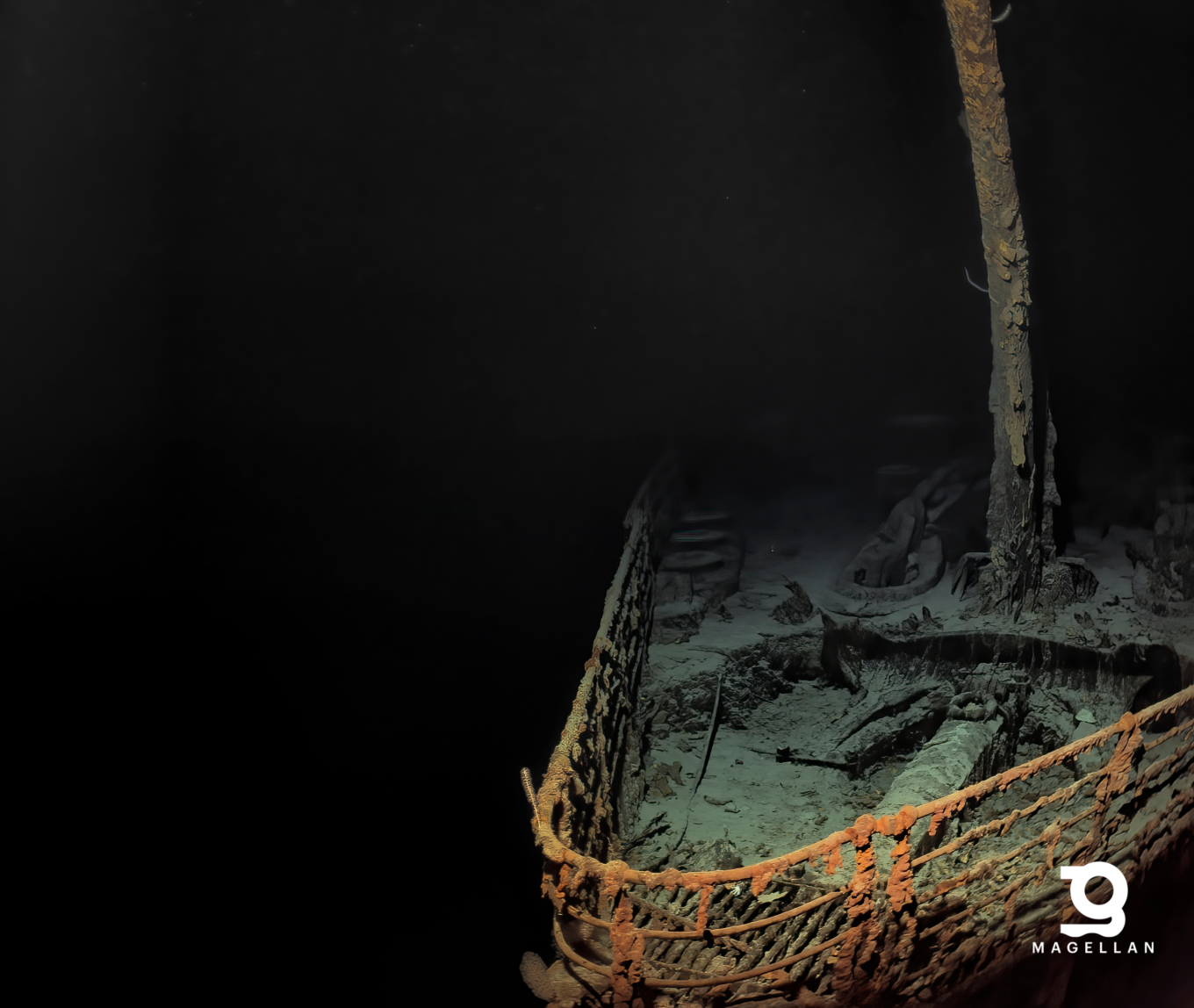
As the ship struck the iceberg and panic began to spread, passengers reported hearing the band playing light, cheerful music to ease the growing tension. Eyewitness accounts describe them performing popular waltzes, ragtime tunes, and classical pieces such as Alexander’s Ragtime Band and Song d’Automne. The musicians reportedly played for nearly two hours, continuing even as the bow of the ship dipped into the icy Atlantic waters.
Though survivors debate the final piece performed, many recalled hearing the hymn “Nearer, My God, to Thee,” a song that Hartley himself had previously said he would want played at his funeral. This choice of music, if true, has since become a symbol of both faith and courage in the face of unimaginable tragedy.
None of the eight musicians survived, but their legacy has lived on as an enduring symbol of bravery and professionalism. They were posthumously honored with memorials in cities like Liverpool and Southampton, and Wallace Hartley’s violin, recovered from the wreckage, was sold at auction in 2013 for over £1 million.
Today, Titanic’s band is remembered for their extraordinary calm and grace under pressure. Their story is not just a testament to the power of music, but to the human spirit’s ability to provide comfort, even in the darkest hours. The phrase “the band played on” remains a poignant reminder of their bravery, echoing through history as a symbol of resilience.